
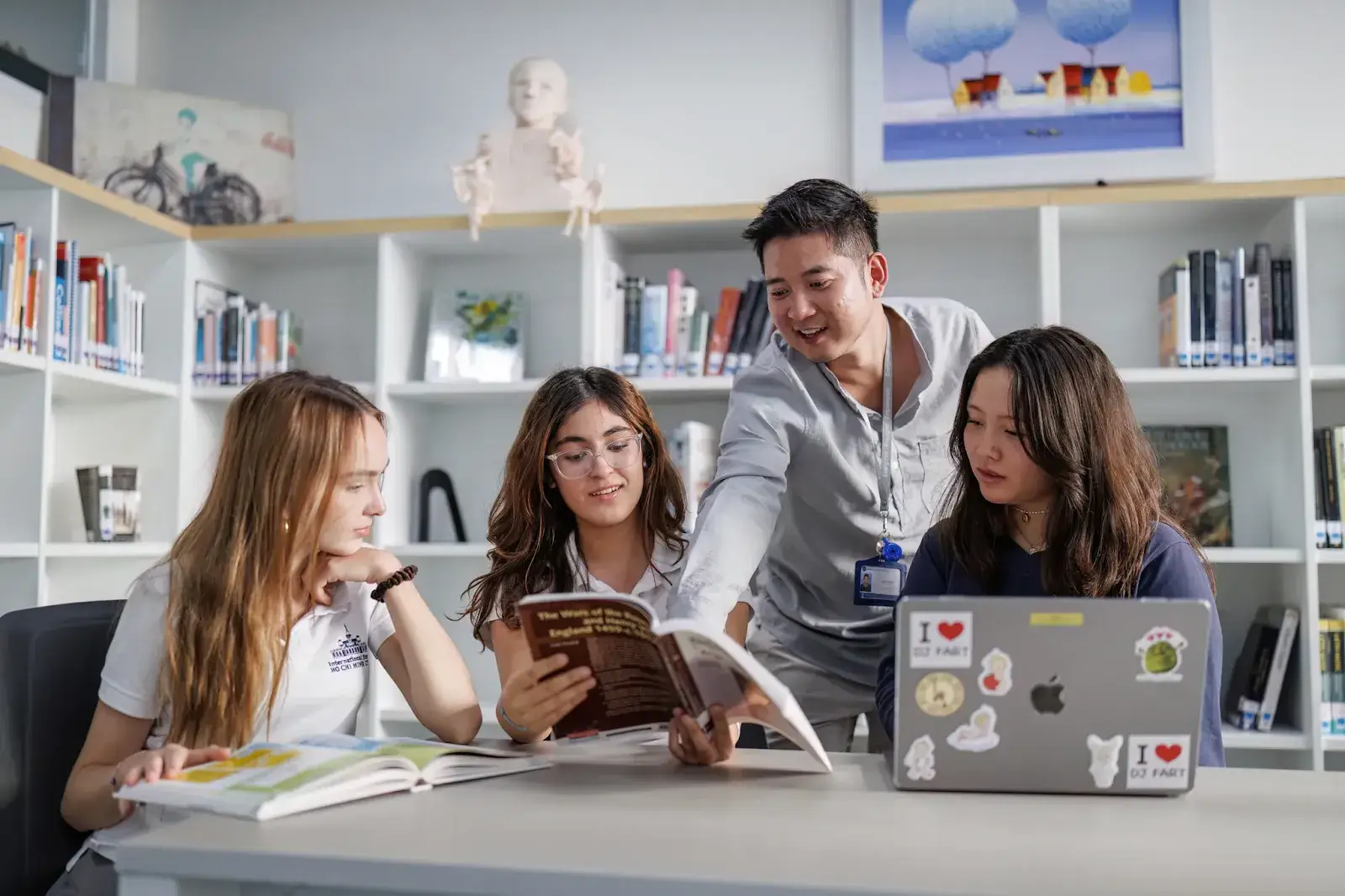
Empowering Student Success Through Innovative and World-Class Learning Environments
Education holds the strength to shape attentions and prepare young students for a brighter pathway. Every school struggles to nurture interest and strengthen skills that build confidence among students. Quality teaching mixed with modern strategies helps students reach new levels of achievement and growth. Every learner deserves a space that promotes progress, just like high school bangkok encourages purposeful education for young minds.
Modern Teaching Approaches
Teachers guide students using supportive tools that encourage expression and self-growth. Schools today aim to create harmony between knowledge and practice for lasting impact.
- Teachers focus on individual learning styles with guided activities.
- Students gain knowledge through fun sessions using simple learning aids.
- Lessons balance theory and practice for a deeper understanding
Technology Supported Learning
Integrating useful technology in classrooms enhances focus and retention. A school that uses advanced systems encourages interaction and curiosity in lessons. Students connect with learning materials more effectively through engaging digital tools. Even in high school bangkok, balanced use of devices supports skill development and discipline.
- Classrooms use virtual screens for better visual understanding.
- Teachers design learning content that matches simple online formats.
- Students use applications that improve thinking through interactive content.
- Practical exercises create awareness of real situations for a better grasp.
- Controlled device usage ensures focused study habits within classrooms.

Inclusive Learning Spaces
Each inclusive class helps learners feel valued and supported in every lesson. Teachers develop approaches that focus on empathy rather than competition. Group activities encourage team growth while maintaining respect for every idea. Such surroundings prepare students to interact with fairness and kindness throughout life.
Teacher Student Engagement
Engagement between teachers and students builds trust and motivation. A school that values open dialogue creates a safe environment for progress. Teachers act as mentors, guiding students to connect thoughts with real outcomes. The balance between teaching and understanding makes education more purposeful.
Creative Learning Atmosphere
A school that inspires imagination helps learners think beyond routine study. Interactive spaces designed for free expression foster interest in each subject. This approach encourages students to explore, reflect, and express their ideas without fear.
- Classrooms are designed to spark imagination through simple displays.
- Students participate in projects that encourage expression and curiosity.
- Teachers guide learners to present their ideas confidently.
- Creative setups support balanced emotional and academic growth.
- A fun environment inspires students to build strong problem awareness.
Continuous Growth Support
A supportive school system ensures steady progress for every student. Teachers identify areas that need improvement and provide helpful feedback regularly. This ongoing support allows learners to correct mistakes and move forward positively. Consistent motivation builds resilience and determination among students.
True progress begins when schools focus on building confidence along with learning values. Creating interactive surroundings and supportive teaching methods encourages self-discovery and steady improvement. Every learner deserves care, attention, and guidance that motivates them to rise stronger each day with a sense of purpose toward their future.
FAQs
What makes modern teaching helpful for young learners?
It helps learners stay focused through engaging activities that build understanding.
How do teachers improve interaction inside the classroom?
They use creative lessons that allow students to share ideas freely.
Why is a creative atmosphere essential for students?
It motivates learners to think freely and explore new learning possibilities.